
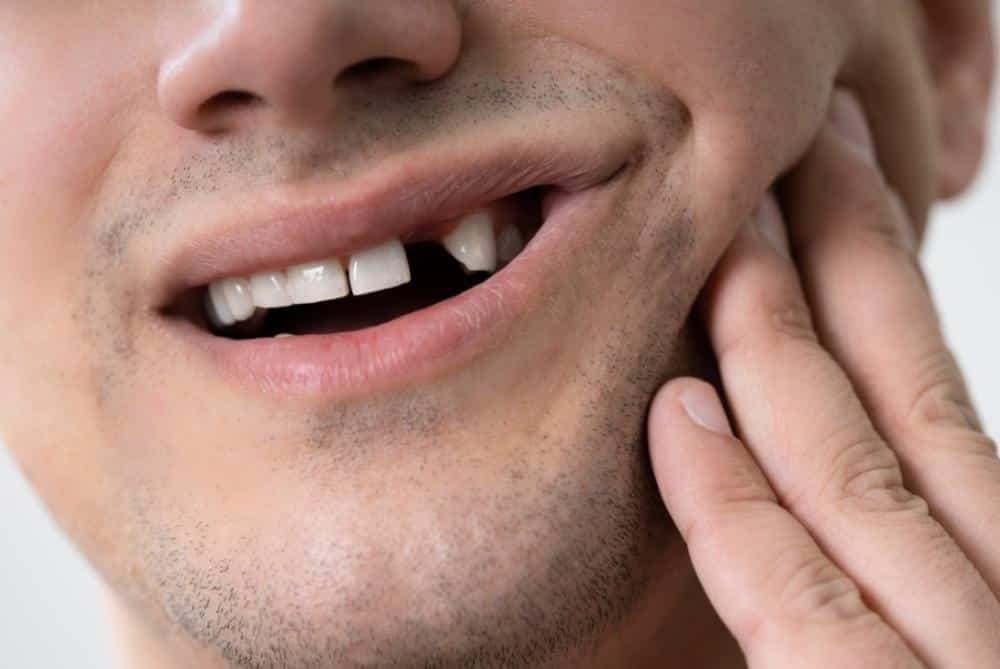
Loose teeth in adults are often a warning sign of underlying gum problems. One of the most common causes is receding gums, a condition where the gum tissue pulls away from the teeth and exposes the roots. This weakens the support structure around the teeth, increasing the risk of tooth sensitivity, infection, and even tooth loss.
The good news is that early treatment and proper oral care can help slow gum recession and improve tooth stability. In this guide, you will learn the causes of receding gums, how they affect loose teeth, the best treatment options, and practical ways to protect your gums naturally.
Featured Snippet
Can Receding Gums Cause Loose Teeth?
Yes. Receding gums can weaken the support around teeth by exposing tooth roots and damaging surrounding tissue. This may cause loose teeth, sensitivity, inflammation, and eventually tooth loss if left untreated.
What Are Receding Gums?
Receding gums occur when gum tissue gradually pulls away from the teeth, exposing more of the tooth surface and roots. This creates pockets where bacteria can grow, leading to gum disease and weakening the support around the teeth.
Common signs of gum recession include:
- Pain while brushing or chewing
- Loose teeth
- Tooth sensitivity
- Bleeding gums
- Swollen or red gums
- Teeth appearing longer
- Bad breath
The Causes Of Receding Gums
Poor oral hygiene is a common cause of receding gums, which can be caused by inadequate brushing and flossing, or a lack of regular dental visits. Hormonal changes, such as pregnancy, menstruation, and menopause, can also cause an increase in gum sensitivity, making them more vulnerable to receding gums.

Poor Oral Hygiene
Taking care of your oral health is an essential aspect of maintaining overall health and well-being. Poor oral hygiene can lead to various dental problems, including gum recession. Gum recession occurs when the gums pull away from the teeth, exposing more of the tooth’s root. It is crucial to understand that poor oral hygiene habits are one of the leading causes of receding gums.
Improving your daily oral care routine can help prevent gum recession caused by poor oral hygiene. Brushing twice a day with fluoride toothpaste, flossing daily, and using mouthwash can significantly improve your dental health. Additionally, avoiding tobacco products and limiting sugary or acidic foods and drinks can also aid in preventing gum disease and other related issues.
If you notice any signs of gum recession, such as loose teeth or sensitive teeth, it is best to seek professional help immediately. Your dentist or hygienist may recommend deep cleaning procedures or provide tips on improving your dental hygiene practices at home. Remember that prevention is always better than cure; taking proactive steps toward good oral care will ultimately save you time and money while ensuring optimal dental health for years to come.
Hormonal Changes
Hormonal changes can also cause gum recession. Women who are going through menopause may experience a decrease in estrogen levels, which can lead to bone loss and gum recession. Similarly, pregnant women may develop gingivitis due to hormonal changes that increase blood flow to the gums, making them more sensitive and prone to irritation.
Managing menopause or pregnancy-related hormonal changes is essential for maintaining good oral health. This includes regular dental check-ups, brushing twice a day with fluoride toothpaste, flossing daily, and using mouthwash. Additionally, eating a balanced diet rich in vitamins and minerals can help support healthy gum tissue.
It’s important to note that hormonal imbalances can also contribute to gum recession in both men and women. If you notice any signs of receding gums or other dental issues, it’s best to consult your dentist or hygienist immediately for proper diagnosis and treatment options. Regular visits to your dental professional combined with good oral hygiene practices can ultimately prevent gum disease and other related problems caused by hormonal changes.

Symptoms And Signs Of Gum Recession
Gum recession is a common dental issue that can lead to tooth mobility, sensitivity, decay, and even tooth loss. A receding gum line occurs when the gums pull back from the teeth, exposing more of the root surface. Some signs and symptoms of gum recession include:
- Tooth sensitivity: exposed roots may cause discomfort or pain when consuming hot or cold beverages or food.
- Longer-looking teeth: due to the visible exposure of the root area as gums recede.
- Loose teeth: if left untreated for an extended period, loose teeth may result in eventual tooth loss.
It’s crucial to address these symptoms promptly by seeking professional help from your dentist or hygienist. Early detection can prevent severe damage and improve overall oral health.

Gum recession prevention includes proper oral hygiene practices such as brushing twice a day with fluoride-containing toothpaste and flossing daily. Avoid smoking tobacco products as it contribute significantly to gum disease development leading to receding gums. Additionally, regular check-ups with your dental provider are recommended every six months to monitor any potential changes in your oral health status.
Treatment options for gum recession vary depending on individual cases’ severity; mild cases may require only improved home care techniques while advanced cases may need surgical intervention such as grafts or flap procedures. Consultation with a professional can determine which treatment option will be most appropriate for you.
Remember that early diagnosis coupled with consistent preventative measures is key in preventing gum recession issues. Don’t hesitate to reach out to your healthcare provider if you experience any symptoms associated with this condition!
How Receding Gums Affect Tooth Stability
As discussed in the previous section, gum recession is a common dental problem that can lead to various symptoms. However, it also has an impact on tooth stability and movement. When gums recede, they expose more of the teeth’s roots, making them vulnerable to damage and decay. Moreover, as the supporting tissue around teeth weakens due to gum recession, teeth may become loose or even fall out.
The interplay between receding gums and loose teeth underscores a critical dental concern. Receding gums often pave the way for the unsettling issue of loose teeth. “Loose teeth receding gums” and similar phrases highlight this correlation, emphasizing how gum recession can directly impact tooth stability. As gums recede, they expose the tooth roots, diminishing their support and leading to tooth mobility. Addressing “receding gums loose teeth” scenarios requires attention to both factors: managing gum recession to prevent further tooth instability and addressing loose teeth to restore oral health. Seeking professional guidance is crucial in tackling “loose teeth receding gums help” scenarios, where tailored strategies involving periodontal treatments, oral hygiene improvements, and potential interventions like dental splints might be recommended. Understanding the link between receding gums and loose teeth is pivotal in formulating effective treatment plans to preserve dental health despite the challenges posed by “loose teeth due to receding gums.”
Gum recession not only affects tooth stability but also bite alignment. As teeth shift position due to inadequate support from the gums, bite misalignment can occur. This can cause problems with chewing and speaking properly and put additional stress on certain teeth leading to further complications down the line.
It is crucial to address gum recession promptly if you notice any symptoms or signs such as sensitivity, bleeding while brushing, or loose teeth. Your dentist or oral health professional will assess your condition and recommend appropriate treatment options which may include scaling and root planing, gingival grafts, or surgery depending upon the severity of your case. Taking care of your oral hygiene by brushing twice daily with fluoride toothpaste and flossing regularly can help prevent gum disease and minimize the risk of developing gum recession in the first place.
Preventing Further Damage To Gums And Teeth
Gum recession is a common dental problem that affects many individuals. If left unchecked, it can lead to loose teeth and other serious oral health issues. However, there are several preventive measures that you can take to avoid further damage to your gums.
One of the most effective ways to prevent gum recession is by maintaining good oral hygiene practices. This includes brushing twice daily with fluoride toothpaste, flossing regularly, and using an antiseptic mouthwash. Additionally, avoiding tobacco use and limiting sugary foods and drinks can also help promote healthy gums.
Regular dental check-ups are also essential in preventing gum recession. Your dentist or hygienist will be able to identify early signs of gum problems and provide necessary treatment before they become more severe. Furthermore, if you have existing dental conditions like bruxism (teeth grinding) or misaligned teeth, seeking appropriate treatment can help alleviate pressure on your gums and prevent future damage.
In conclusion, taking proactive steps towards gum recession prevention through proper dental care habits and regular visits to the dentist should be a top priority for everyone looking to maintain optimal oral health. By incorporating these tips into your daily routine, you can keep your gums healthy and reduce the risk of developing more serious dental complications down the line.
Professional Treatment For Receding Gums
When it comes to receding gums, professional treatment is often necessary in order to prevent further damage and restore oral health. One common method of treating receding gums is through gum grafting. This procedure involves taking tissue from another part of the mouth or using donor tissue to cover exposed tooth roots and promote gum regeneration.
Another option for treating receding gums is periodontal surgery. During this procedure, a dental professional will remove damaged tissue and bacteria from deep within the gums, allowing healthy tissue to regenerate and better attach to the teeth. In some cases, antibiotics may also be prescribed to help fight infection and prevent further damage.
It’s important to note that while these treatments can be effective, they should not be seen as a cure-all solution. Patients with receding gums must continue practicing good oral hygiene habits such as brushing twice daily, flossing regularly, and visiting their dentist or dental hygienist for routine cleanings and checkups. With proper care both at home and in the dental office, patients can protect their oral health and prevent future issues with gum recession.
At-Home Remedies For Gum Recession
As discussed in the previous section, receding gums can lead to loose teeth. While professional treatment is a viable option for those with severe gum recession, there are also natural solutions and effective treatments that can be done at home.
One of the most important steps to take in preventing further gum recession is proper oral hygiene. This includes brushing twice a day with fluoride toothpaste and flossing daily. Using an antiseptic mouthwash can also help kill bacteria that may contribute to gum disease.

Another effective treatment for gum recession is oil pulling. This involves swishing coconut or sesame oil in your mouth for 10-15 minutes before spitting it out. Studies have shown this practice can reduce plaque buildup and inflammation in the gums, leading to healthier tissue growth.
Overall, while professional treatment may be necessary for severe cases of receding gums, there are many natural solutions and effective treatments available for at-home use. Proper oral hygiene practices and incorporating remedies such as oil pulling into your routine can lead to healthy gum tissue growth and prevent further damage to teeth. Remember, taking care of your dental health now will pay off in the long run by improving overall well-being and reducing the risk of future issues.
Nature’s Smile for Loose Teeth Caused by Receding Gums
If you are dealing with loose teeth caused by receding gums, improving your gum health naturally may help support stronger teeth and healthier gums over time. One product frequently discussed in natural oral care routines is Nature’s Smile Gum Balm, a herbal gum care formula designed to support gum tissue and reduce harmful bacteria linked to periodontal issues.

🚨 Don’t let loose gums turn into permanent damage—get Nature’s Smile now before the problem worsens!
Nature’s Smile is commonly used by people searching for natural ways to support gum health because it combines multiple plant-based ingredients known for their soothing and antibacterial properties.
Key Ingredients in Nature’s Smile for Gum Support
Nature’s Smile contains herbal extracts traditionally used to support oral health naturally:
- Oak Bark Extract – Helps support stronger gum tissue and reduce plaque buildup.
- Silver Fir Extract – Known for antibacterial properties that help fight oral bacteria.
- Chamomile – Helps soothe irritated and inflamed gums.
- Yarrow & Nettle – Traditionally used to support tissue healing and healthy circulation.
- Pine Tree Carotene – Rich in antioxidants that help protect gum tissue from damage.
These ingredients work together to create a healthier oral environment that may help reduce gum irritation and support healthier teeth and gums.

🚨 Don’t let loose gums turn into permanent damage—get Nature’s Smile now before the problem worsens!
Benefits of Nature’s Smile for Loose Teeth and Gum Recession
People searching for solutions for loose teeth from receding gums often use Nature’s Smile alongside regular brushing, flossing, and professional dental care because it may help:
- Support healthier gum tissue naturally
- Reduce gum inflammation and bleeding
- Help fight plaque-causing bacteria
- Improve bad breath linked to gum disease
- Soothe sensitive gums
- Support stronger oral hygiene habits
If your gums are receding and your teeth feel loose or sensitive, now is the time to support your oral health naturally. Thousands of people use Nature’s Smile as part of their daily gum care routine to help maintain healthier gums and fresher breath.

Maintaining Optimal Gum Health For Strong Teeth
Maintaining optimal gum health is critical for strong teeth. Gum disease, also known as periodontal disease, affects the tissues surrounding and supporting the teeth. It results from poor oral hygiene practices that lead to bacterial buildup on the teeth and gums. Without proper care, it can progress to advanced stages where tooth loss becomes a significant risk.
Gum care routines are essential in preventing gum disease and maintaining healthy gums. These routines include brushing twice daily with fluoride toothpaste, flossing at least once a day, using mouthwash, and visiting the dentist regularly for professional cleanings. Brushing removes plaque on the surface of the teeth while flossing gets rid of food particles stuck between them. Mouthwash helps kill bacteria in hard-to-reach places and freshens breath.
Dietary changes are equally crucial in promoting good gum health. A balanced diet rich in nutrients such as calcium and vitamin C strengthens bones and promotes healing of soft tissue damage caused by gum disease. Avoid sugary drinks and snacks that encourage bacterial growth in your mouth leading to cavities or decayed teeth. Maintaining proper dental hygiene coupled with dietary changes will keep you smiling confidently well into old age without any loose teeth due to receding gums!
Many people also explore natural remedies for loose teeth and gum recession alongside professional dental care to help improve long-term gum health.
Frequently Asked Questions
How Do You Fix Loose Teeth From Receding Gums?
Loose teeth caused by receding gums may be treated with deep cleaning, gum grafting, improved oral hygiene, and natural gum care products that support healthier gums.
Can Loose Teeth Become Strong Again Naturally?
In mild cases, improving gum health and reducing inflammation may help stabilize teeth naturally. Severe cases usually require professional dental treatment.
What Is the Best Treatment for Loose Teeth and Gum Disease?
The best treatment depends on severity but may include scaling and root planing, gum graft surgery, antibacterial rinses, and improved oral hygiene habits.
Can Receding Gums Be Reversed Without Surgery?
Early-stage gum recession may improve with proper oral care and inflammation control, but advanced recession often requires professional procedures.
Does Nature’s Smile Help With Loose Teeth?
Yes. Many users use Nature’s Smile Gum Balm to support healthier gums naturally because it contains herbal ingredients traditionally used for gum care and oral hygiene.
What Causes Teeth to Become Loose in Adults?
Loose teeth in adults are commonly caused by gum disease, receding gums, bone loss, teeth grinding, smoking, or poor oral hygiene habits.
Can Receding Gums Cause Tooth Sensitivity?
Yes. Receding gums expose tooth roots, making teeth more sensitive to hot and cold foods. Early treatment and proper oral care can help prevent further damage.
Is Gum Recession Reversible?
Mild gum recession may improve by using Nature’s Smile, proper oral hygiene and professional care, but severe cases often require treatments like gum grafting.
Can Brushing Too Hard Cause Receding Gums?
Yes. Aggressive brushing and hard-bristled toothbrushes can damage gum tissue over time. Use a soft-bristled toothbrush and gentle brushing techniques.
Are There Any Foods That Can Help Prevent Gum Recession?
Yes. Foods rich in vitamin C, calcium, and antioxidants may support healthier gums. Crunchy vegetables can also help reduce plaque buildup naturally.
Can Receding Gums Lead To Other Oral Health Problems?
Yes. Untreated gum recession can increase the risk of gum disease, tooth loss, infections, and bone damage supporting the teeth.
Further Details
Conclusion
Loose teeth caused by receding gums should never be ignored. Early treatment, proper oral hygiene, and professional dental care can help protect your gums and preserve your teeth before the condition worsens.
Simple daily habits such as gentle brushing, flossing, eating a healthy diet, and regular dental visits play a major role in preventing gum recession and maintaining strong teeth.
For additional gum support, many people include natural oral care products Nature’s Smile Gum Balm and Oral Rinse in their routine alongside professional dental care. Taking action early can help you maintain healthier gums, fresher breath, and a stronger teeth for years to come.


Damarion Haley stands as a prominent authority in the fields of Pediatric Dentistry and Dental Health Education, celebrated for her exceptional credentials and qualifications. Aims to provide a comprehensive insight into Damarion Haley’s impressive background, underscoring her pivotal role in the realm of children’s oral health and dental education.