
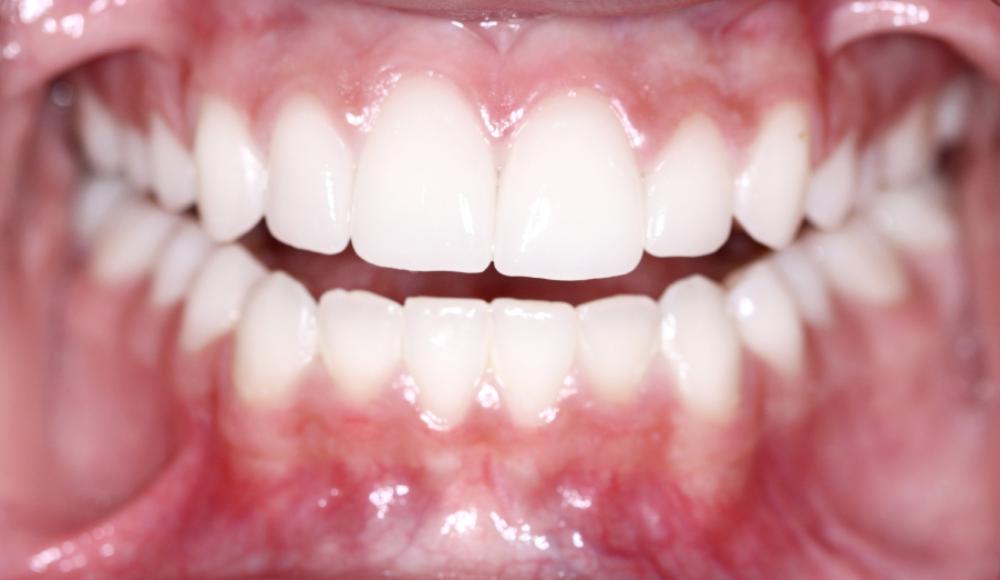
Young Age Receding Gums can feel like watching a strong foundation slowly crack beneath a building that still looks perfectly fine from the outside. Many people in their 20s and 30s are shocked to notice sensitive teeth, exposed roots, or gums pulling away earlier than expected. The good news is that understanding the causes early can help prevent long-term dental damage and protect your smile for years to come.
Common Causes of Gum Recession in Young Adults
One common cause of gum recession in young adults is aggressive tooth brushing. When individuals brush their teeth too vigorously or use a toothbrush with stiff bristles, it can lead to the erosion of gum tissue and subsequent recession. Aggressive brushing can also damage the enamel of the teeth, causing further oral health issues. Additionally, wearing braces can have an impact on gum health. The pressure exerted by braces can cause gums to recede, especially if proper oral hygiene practices are not followed.
Signs and Symptoms of Receding Gums in Early Adulthood
Typical indicators and manifestations of gum recession during the early adult years include exposed tooth roots, tooth sensitivity, and an elongated appearance of the teeth. Gum recession refers to the gradual loss of gum tissue around the teeth, leading to exposure of the underlying tooth structure. While it is more commonly associated with aging, young adults can also experience this condition for various reasons.
Poor oral hygiene practices play a significant role in compromising gum health in young people. Inadequate brushing and flossing habits allow plaque and bacteria to accumulate along the gumline, leading to inflammation and eventual recession.
Aggressive brushing techniques or using a toothbrush with stiff bristles can also contribute to gum irritation and recession.
Other factors contributing to gum recession in young adults include hormonal changes during puberty or pregnancy, genetic predisposition, smoking, certain medical conditions like diabetes or autoimmune diseases, misaligned teeth, or dental trauma. Young adults must adopt proper oral hygiene practices and seek professional dental care regularly to prevent or manage gum recession effectively.
The Impact of Poor Oral Hygiene on Gum Health in Young People
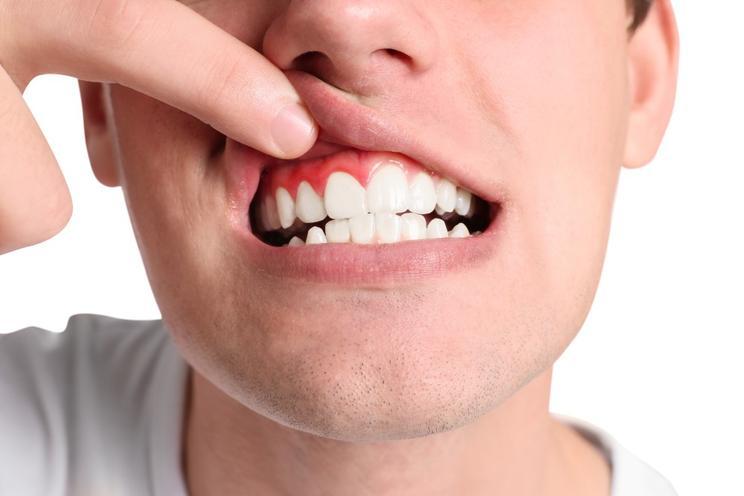
Indicators and manifestations of poor oral hygiene in young individuals include the accumulation of plaque and bacteria along the gum line, leading to inflammation and eventual loss of gum tissue. Poor oral hygiene practices, such as inadequate brushing and flossing, can result in gingivitis, an early stage of gum disease characterized by swollen, red, and bleeding gums. If left untreated, gingivitis can progress to periodontitis, a more severe form of gum disease that can lead to tooth loss.
Poor oral hygiene has also been linked to various systemic health conditions such as cardiovascular disease, diabetes, respiratory infections, and adverse pregnancy outcomes. Regular dental check-ups are crucial for maintaining good oral health as they allow for early detection and treatment of potential issues before they escalate. These check-ups also provide an opportunity for education on proper oral care techniques and reinforce the importance of maintaining good oral hygiene habits.
Hormonal Changes and Its Connection to Gum Recession
Hormonal changes during specific physiological processes can contribute to the development of gum recession. In pregnancy, hormonal changes play a significant role in altering oral health. Increased progesterone and estrogen levels during pregnancy can lead to an exaggerated response to plaque, causing inflammation and gum swelling, known as pregnancy gingivitis.
This condition may eventually progress to gum recession if left untreated. Similarly, hormonal changes during puberty can also affect gum health. The surge in hormones, particularly sex hormones like estrogen and progesterone, can increase blood flow to the gums and make them more sensitive to irritants such as plaque and bacteria.
Consequently, poor oral hygiene practices during this period may result in gum inflammation and potential recession. Therefore, it is crucial for individuals experiencing hormonal fluctuations during pregnancy or puberty to maintain proper oral hygiene practices and seek professional dental care to prevent or treat gum recession effectively.
Lifestyle Factors That Contribute to Early Gum Recession
Various lifestyle factors, such as poor oral hygiene practices, smoking, and inadequate nutrition, have been identified as potential contributors to the early onset of gum recession. Maintaining good oral hygiene habits, including regular brushing and flossing, can help prevent plaque and bacteria buildup that can lead to gum disease and subsequent gum recession. Additionally, avoiding tobacco products and following a balanced diet rich in vitamins and minerals can support gum health.
In addition to these factors, stress has also been suggested to play a role in gum health. Chronic stress may weaken the immune system and increase inflammation, potentially impacting the gums. However, further research is needed to understand the relationship between stress and gum recession.
To better understand the lifestyle factors associated with early gum recession prevention, consider the following table:
| Lifestyle Factors | Impact on Gum Health |
|---|---|
| Poor oral hygiene practices | Increases risk of plaque buildup |
| Smoking | Reduces blood flow to gums |
| Inadequate nutrition | Weakens immune system |
Genetic Predisposition to Gum Recession at a Young Age
Genetic factors have been identified as potential contributors to the early onset of gum recession. Hereditary gum recession is a condition that can occur in individuals who have inherited certain genetic traits related to their oral health. Research suggests that genetic factors significantly determine an individual’s susceptibility to gum recession at a young age. Some key points regarding the genetic predisposition to gum recession include:
- Variations in genes: Certain variations or mutations in specific genes involved in the immune response and tissue remodeling processes may increase the risk of developing gum recession.
- Family history: Individuals with a history of gum disease or periodontal problems are more likely to experience early onset gum recession due to shared genetic factors.
- Inflammatory response: Genetic variations can affect an individual’s inflammatory response, leading to an exaggerated immune reaction against bacteria and pathogens in the oral cavity, resulting in tissue damage and subsequent gum recession.
- Collagen production: Genetic factors can influence collagen production and structure, vital in maintaining healthy gums. Alterations in collagen metabolism may contribute to weakened gingival tissues and increased susceptibility to receding gums.
Understanding these genetic factors provides valuable insights into identifying individuals at risk for hereditary gum recession at a young age.
The Link Between Smoking and Receding Gums in Young Adults
Smoking has been identified as a potential risk factor for developing gum recession in young adults. Research suggests that smoking increases the likelihood of gum recession due to its adverse effects on oral health. Smoking cessation is crucial in preventing and reducing the progression of gum recession.
Studies have shown that quitting smoking can positively impact overall oral health, including the prevention of gum disease and subsequent gum recession. Also, maintaining good dental care practices such as regular brushing, flossing, and professional cleanings can help prevent or slow down the progression of gum recession.
To ensure proper treatment and management, seeking professional dental care and advice is recommended for young adults who smoke or have concerns about their gums.

Steps to Prevent and Treat Receding Gums in Your 20s and 30s
One practical approach to preventing and treating gum recession in individuals in their 20s and 30s is to adopt a comprehensive oral hygiene routine that includes regular brushing, flossing, and professional cleanings. This can help maintain good oral health and prevent the progression of gum recession.
Other prevention techniques include avoiding tobacco use, as smoking has been linked to an increased risk of gum disease and recession. Also, maintaining a balanced diet low in sugary foods and drinks can help keep gums healthy. If gum recession does occur, several professional treatment options are available, such as scaling and root planing, gingival grafts, or dental implants. These treatments should be discussed with a dentist or periodontist to determine the most appropriate action for each individual’s case.

Young adults should not ignore early gum changes. If your teeth look longer, your gums bleed easily, or you feel sensitivity near the gumline, it may be time to improve your routine. Along with brushing, flossing, and dental checkups, Nature’s Smile can be used after brushing as a natural gum-care balm designed to support fresher breath, cleaner-feeling gums, and healthier-looking gum tissue.
Nature’s Smile for Young Age Receding Gums
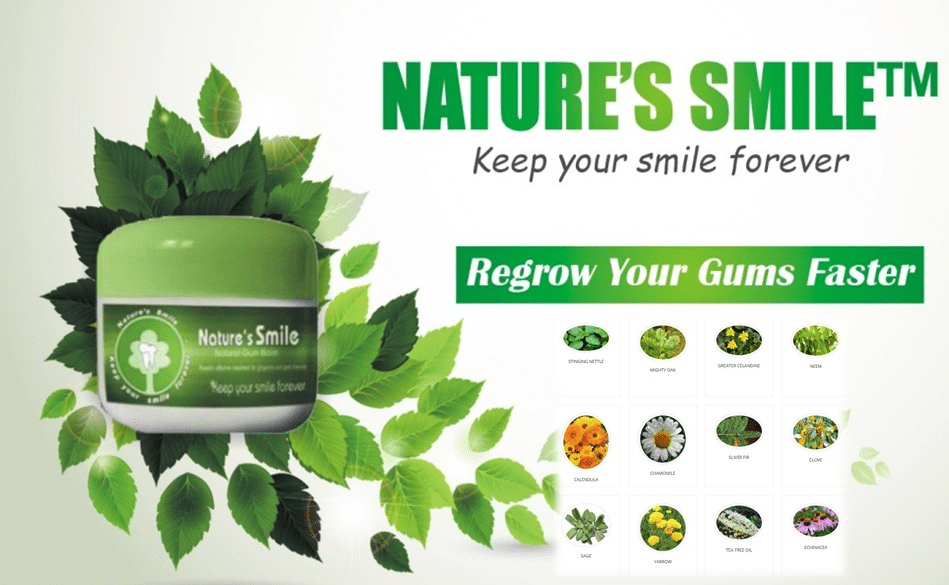
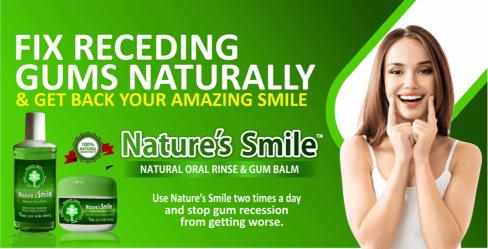
Many individuals dealing with Young Age Receding Gums are now exploring natural oral care solutions alongside traditional dental treatments. One product gaining attention is Nature’s Smile Gum Balm, a herbal oral care formula designed to support gum health naturally. Since younger adults often experience gum recession due to aggressive brushing, hormonal changes, smoking, stress, or genetics, using a gentle gum-supporting product may help soothe irritation and strengthen vulnerable gum tissue.
Nature’s Smile contains a blend of natural herbal ingredients traditionally used to support oral hygiene and reduce gum inflammation. Its formula includes oak bark, neem, chamomile, yarrow, sage, nettle, silver fir, and myrrh,. Oak bark is known for its tightening properties that may help reinforce weakened gums, while neem and myrrh help combat harmful oral bacteria linked to gum disease. Chamomile and yarrow are commonly used for their soothing and anti-inflammatory effects on sensitive gums.
For people struggling with Young Age Receding Gums, maintaining healthy gum tissue is critical because early gum recession can expose tooth roots and increase sensitivity. Nature’s Smile may help support healthier gums when combined with proper brushing, flossing, regular dental cleanings, and a balanced diet rich in vitamins and minerals.
Benefits of Nature’s Smile for Gum Health
Using Nature’s Smile regularly may help:
- Reduce gum irritation and redness
- Support stronger and healthier gum tissue
- Fight bacteria linked to gum disease
- Improve oral freshness naturally
- Help soothe sensitive gums and exposed roots
- Support long-term gum maintenance in young adults
Natural gum-support products work best when paired with good oral hygiene habits and routine dental checkups.

🌱 Ready to upgrade your gum care routine? Discover how Nature’s Smile fits into your daily plan
Conclusion
Young Age Receding Gums is becoming increasingly common due to factors like poor oral hygiene, aggressive brushing, smoking, hormonal changes, stress, and genetic predisposition. The earlier gum recession is identified, the better the chances of protecting your teeth and preventing long-term oral health complications. Maintaining a consistent oral care routine, visiting your dentist regularly, and making healthier lifestyle choices can significantly improve gum health over time.
In addition to professional dental care, many people are also turning to natural gum-care solutions like Nature’s Smile Gum Balm. With its blend of herbal ingredients such as oak bark, neem, chamomile, and myrrh, Nature’s Smile may help soothe irritated gums, support healthier gum tissue, and promote better oral hygiene naturally. Taking proactive steps today can help preserve a healthier smile and stronger gums for years to come.
🎯 Take Control of Your Gum Health—Order Nature’s Smile Directly from the Official Site Now!

Damarion Haley stands as a prominent authority in the fields of Pediatric Dentistry and Dental Health Education, celebrated for her exceptional credentials and qualifications. Aims to provide a comprehensive insight into Damarion Haley’s impressive background, underscoring her pivotal role in the realm of children’s oral health and dental education.