

According to recent studies, many individuals experience Way to Brush Receded gums lines, which can lead to oral health complications if not adequately addressed. This article provides an informative guide on the best way to brush a reduced gum line. Adopting a proper brushing technique is crucial in maintaining oral hygiene and preventing further damage. In addition, selecting suitable toothbrushes and toothpaste plays a vital role in achieving optimal results. Following the step-by-step guide outlined here, individuals can effectively care for their receded gum lines and promote overall health.
Understanding Receded Gum Lines
Understanding receded gum lines involves examining the factors contributing to gum recession and their impact on oral health. Receded gum lines, also known as gingival recession, occur when the margin of the gum tissue surrounding the teeth wears away or pulls back, exposing more of the tooth root.
There are several causes of receding gum lines, including periodontal diseases such as gingivitis and periodontitis, aggressive tooth brushing techniques, tobacco use, hormonal changes in women, genetic predisposition, and misaligned teeth. When left untreated, receding gum lines can lead to increased sensitivity to hot and cold foods and beverages, tooth decay due to exposed roots being susceptible to plaque buildup, and tooth loss.
Treating receded gum lines may involve non-surgical methods like scaling and root planing or surgical procedures like grafting or pocket depth reduction. Individuals with receding gums must seek professional dental care for accurate diagnosis and appropriate treatment options tailored to their needs.

Importance of Proper Brushing Technique
The proper technique for brushing plays a crucial role in maintaining oral health. It is essential to avoid common brushing mistakes and use the correct method to ensure that teeth and gums are effectively cleaned without causing any harm. Some of the effects of improper brushing techniques include:
- Tooth abrasion: Brushing too hard or using a toothbrush with stiff bristles can lead to enamel erosion and gum recession.
- Incomplete plaque removal: Insufficient or incorrect brushing can leave behind plaque, resulting in cavities, gum disease, and bad breath.
- Gum irritation: Aggressive brushing techniques can cause gum irritation and inflammation, leading to discomfort and potential damage.
To achieve effective oral hygiene, it is recommended to use a soft-bristled toothbrush with gentle circular motions, angling the bristles towards the gum line. Additionally, regular dental check-ups are essential for maintaining optimal oral health.
Choosing the Right Toothbrush and Toothpaste
Selecting an appropriate toothbrush and toothpaste is crucial in maintaining optimal oral hygiene. When it comes to toothbrushes, the type of bristles used plays a significant role. Soft bristles are recommended as they effectively remove plaque and debris without causing damage to the gums or enamel. Stiff bristles, on the other hand, may lead to gum recession and enamel abrasion over time.
Toothbrushes with a small head size allow better access to hard-to-reach areas of the mouth, ensuring thorough cleaning. As for toothpaste, ingredients such as fluoride help strengthen teeth and prevent cavities by remineralizing enamel. Antimicrobial agents like triclosan or essential oils can aid in controlling bacterial growth and reducing gum inflammation. It is important to read labels carefully when selecting toothpaste to ensure it meets individual needs for maintaining oral health freedom.

Step-by-Step Guide to Brushing a Receded Gum Line
To effectively clean a receded gum line, following a step-by-step guide that includes gentle brushing techniques and proper oral hygiene practices is essential. Receded gum lines require special attention as they can be more sensitive and prone to damage. Here is a step-by-step guide to brushing a reduced gum line:
- Use a soft-bristled toothbrush: Hard bristles can further irritate the gums and cause damage. A soft-bristled brush will help clean the area without causing harm.
- Angle the brush correctly: Hold the toothbrush at a 45-degree angle towards the gum line. This allows for effective cleaning while minimizing pressure on the gums.
- Use gentle, circular motions: Brush using small, circular motions along the gum line. Avoid harsh scrubbing or side-to-side movements that can lead to irritation.
Following these steps, regular dental check-ups and proper oral hygiene practices will contribute to maintaining healthy gums and treating receded gum lines. Natural remedies for receded gums may also be considered with professional treatment options for optimal results.
Additional Tips for Maintaining Gum Health
Regular dental check-ups and proper oral hygiene practices, including daily flossing and using an antimicrobial mouthwash, are essential for maintaining gum health. However, there are additional tips that can help promote gum health. Making gum-friendly dietary choices is one such tip. A diet rich in fruits and vegetables, which are high in vitamins C and D, can support healthy gums. Additionally, incorporating foods that contain omega-3 fatty acids, such as fish or flaxseeds, may have anti-inflammatory effects on the gums.
Natural remedies can also be used to improve gum health. For example, rinsing the mouth with warm salt water can help reduce inflammation and kill bacteria in the gums. Using herbal remedies like aloe vera gel or tea tree oil may also relieve gum problems due to their antibacterial properties. Individuals can further enhance their gum health freedom by adopting these additional tips alongside regular dental care practices. Click the link below to read more info about brush teeth with tea tree oil https://dentistdecode.com/toothpaste-with-tea-tree-oil/

Understanding the dangers of receding gums is crucial for maintaining optimal oral health. Receding gums can lead to increased tooth sensitivity, gum infections, and even tooth loss if left untreated.
To mitigate these risks, it’s essential to learn the correct way to brush receded gums, using gentle circular motions and a soft-bristle toothbrush to prevent further damage and promote gum tissue regeneration. Explore more about this topic in our in-depth article on understanding receding gums dangers.
Natural Support for Receded Gum Line Care
Learning the right way to brush receded gums line is important, but brushing alone may not always feel like enough for people dealing with sensitive gums, occasional bleeding, plaque buildup, or bad breath. A complete gum-care routine should include gentle brushing, daily flossing, regular dental visits, and careful attention to the gum line where bacteria can collect.
Some people also choose to add a targeted gum-support product Nature’s Smile to their oral care routine. Nature’s Smile is an oral balm designed to be used after regular brushing, with a focus on supporting gum cleanliness, fresher breath, and healthier-looking gums. According to the official Nature’s Smile website, the product is positioned for people concerned about gum disease, bleeding gums, bad breath, plaque, and receding gums.
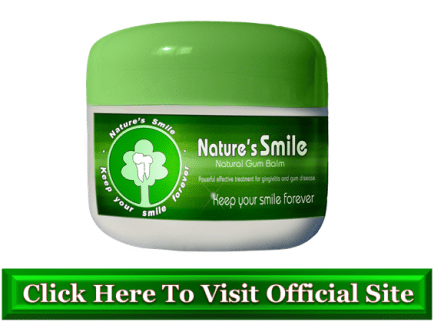
Nature’s Smile uses a blend of natural extracts, including oak, silver fir, pine tree carotene extract, chamomile, yarrow, and nettle. These ingredients for their traditional use in oral freshness, gum comfort, tissue-tightening support, and helping manage bacteria around the gum line.
If your gums feel sensitive or your gum line has started to recede, your daily routine matters. A soft-bristle toothbrush, light pressure, and proper gum-line brushing can help reduce irritation. Along with these basics, Nature’s Smile may be a useful addition for people looking for natural gum-support care.
Conclusion
The best way to brush receded gums line is to use a soft-bristle toothbrush, apply light pressure, and clean along the gum line with gentle circular motions. Brushing too hard can worsen sensitivity and may contribute to further gum irritation, so the goal should always be careful cleaning, not aggressive scrubbing.
Good gum health also depends on daily flossing, regular dental check-ups, and choosing products that support your oral hygiene routine. For readers who want extra gum-line support, Nature’s Smile gum balm option made with herbal extracts and designed to support healthier gums and prevent gum disease.


Damarion Haley stands as a prominent authority in the fields of Pediatric Dentistry and Dental Health Education, celebrated for her exceptional credentials and qualifications. Aims to provide a comprehensive insight into Damarion Haley’s impressive background, underscoring her pivotal role in the realm of children’s oral health and dental education.