
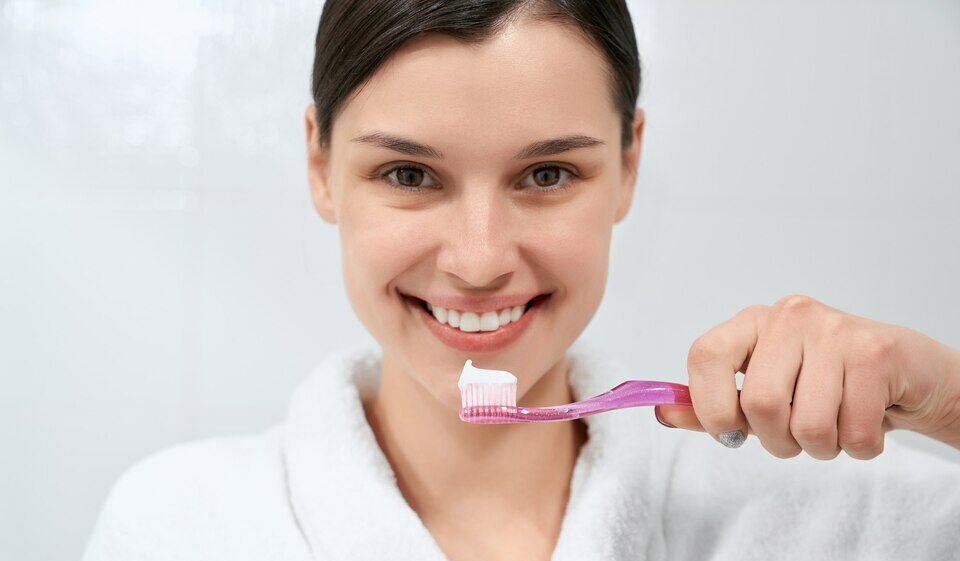
Receding gums, characterized by the gradual loss of gum tissue around the teeth, can lead to oral health issues if left untreated. Selecting an appropriate Toothbrush for Receding Gums is crucial in managing and preventing further progression of this condition. This article objectively evaluates and compares different types of toothbrushes available on the market, considering their effectiveness in maintaining oral hygiene for individuals with receding gums. By providing evidence-based information, readers will be equipped with the necessary knowledge to make informed decisions regarding their dental care.
What Is the Best Toothbrush for Receding Gums?
The best toothbrush for receding gums is a soft-bristled toothbrush with gentle cleaning action. Dentists often recommend electric toothbrushes with pressure sensors because they reduce aggressive brushing and protect sensitive gum tissue.
What Causes Receding Gums and Why It Matters
Understanding receding gums involves examining the progressive loss of gum tissue, which can lead to tooth sensitivity and increased risk of tooth decay. Receding gums are primarily caused by gum disease, specifically periodontitis, which is characterized by inflammation and infection of the tissues surrounding the teeth. Other factors contributing to receding gums include aggressive brushing techniques, hormonal changes in women, smoking, genetics, and certain medical conditions such as diabetes.
Prevention of receding gums involves maintaining good oral hygiene practices such as regular brushing with a soft-bristled toothbrush and gentle flossing. Additionally, quitting smoking, managing stress levels, eating a balanced diet rich in vitamins and minerals, and scheduling regular dental check-ups can help prevent further gum recession. By implementing these preventive measures, individuals can reduce their risk of experiencing receding gums and associated complications. Discover More Ways to Reverse Receding Gums Here

Common Habits That Trigger Gum Recession
One factor contributing to the condition characterized by a loss of gum tissue is improper oral hygiene practices. Neglecting proper dental care, such as inadequate brushing and flossing, can accumulate plaque and bacteria along the gumline. Over time, this can cause inflammation and irritation, leading to gum recession.
Several other factors may also contribute to receding gums. These include genetic predisposition, hormonal changes (such as during pregnancy or menopause), tobacco use, misaligned teeth, aggressive toothbrushing techniques, bruxism (teeth grinding), and certain medical conditions like diabetes or autoimmune disorders.
Preventing receding gums involves maintaining good oral hygiene practices. This includes brushing twice daily with a soft-bristled toothbrush using gentle circular motions. Flossing regularly and using an antimicrobial mouthwash can help remove plaque from between teeth and along the gumline. Regular dental check-ups are also essential for early detection and treatment of any oral health issues.
The following table summarizes some common causes and prevention techniques for receding gums:
| Causes | Prevention Techniques |
|---|---|
| Improper oral hygiene | Regular brushing & flossing |
| Genetic predisposition | Professional dental care |
| Hormonal changes | Dental check-ups |
| Tobacco use | Gentle tooth brushing |
| Misaligned teeth | Antimicrobial mouthwash |
| Aggressive brushing | Avoidance of teeth grinding |
Importance of Choosing the Right Toothbrush
Selecting an appropriate toothbrush is crucial for maintaining optimal oral hygiene and preventing potential dental issues. The importance of proper oral hygiene cannot be overstated, as it plays a significant role in overall health and well-being. Using the right toothbrush can provide several benefits in achieving this goal:
- An appropriately sized toothbrush with soft bristles helps to effectively remove plaque and debris from the teeth and gums without causing damage or irritation. This reduces the risk of gum disease and tooth decay.
- Using a toothbrush with a comfortable grip allows for better control and maneuverability during brushing, ensuring all areas of the mouth are adequately cleaned.
- Choosing a toothbrush that suits individual preferences promotes consistency in brushing habits, improving oral health outcomes over time.
The right toothbrush is essential for maintaining proper oral hygiene practices and reaping the benefits.

Soft Bristles Vs. Stiff Bristles: Which Is Best
The debate between soft and stiff bristles for toothbrushes has garnered attention among dental professionals due to their potential effects on oral health. Toothbrush bristle types play a crucial role in maintaining good oral hygiene. Dentists generally recommend soft bristles as they are gentle on the gums and teeth, reducing the risk of gum recession or enamel erosion.
Stiff bristles, on the other hand, maybe too abrasive and can cause damage to the gums and tooth enamel if misused. Additionally, toothbrush handle design is also essential in achieving optimal oral care. A well-designed handle allows for better grip and control during brushing, ensuring efficient plaque removal without causing excessive pressure on the teeth and gums. Choosing a toothbrush with soft bristles and a comfortable handle design is essential for maintaining healthy teeth and gums.
Manual Toothbrushes: A Comparison
A comparison of manual toothbrushes reveals differences in design, bristle type, and handle grip. Manual toothbrushes come in various formats to cater to individual preferences. Some feature angled heads for better access to hard-to-reach areas, while others have larger brush heads for more coverage. Bristle types also vary, with soft, medium, and firm bristles. Dentists generally recommend soft bristles as they are gentle on the gums and teeth.
Also, handle grip is important when choosing a manual receding gums toothbrush. Textured or rubberized grips can provide better control and prevent slippage during brushing. While electric toothbrushes offer additional features like timers and pressure sensors, manual toothbrushes remain a popular option due to their simplicity and affordability. Ultimately, the choice between manual and electric toothbrushes depends on personal preference and oral health needs.

What toothbrush is Best for Receding Gums
Electric toothbrushes offer a range of features, such as timers and pressure sensors, which can enhance the brushing experience. These features help users maintain proper brushing techniques and ensure thorough cleaning of teeth and gums. Some benefits of electric toothbrushes include:
- Improved plaque removal: Electric toothbrushes have been shown to remove more plaque than manual toothbrushes, leading to better oral hygiene.
- Built-in timers: Many electric toothbrushes come with timers that encourage users to brush for the recommended two minutes, ensuring adequate cleaning.
- Pressure sensors: Some models have pressure sensors that alert users when applying too much force while brushing, preventing damage to gums.
However, there are also some drawbacks associated with electric toothbrushes:
- Cost: Electric toothbrushes tend to be more expensive than manual ones.
- Maintenance: They require regular charging or battery replacement.
- Bulky design: The larger size may make it less convenient for travel.
Recommended brands and models for electric toothbrushes include Oral-B Pro 1000, Philips Sonicare ProtectiveClean 6100, and Fairywill Sonic Electric Toothbrush. These brands provide reliable performance and offer various features suited to different preferences and needs.

Specialized Toothbrushes for Receding Gums
Specialized toothbrushes designed to address gum recession offer unique features that improve oral health. Gum recession prevention is crucial in maintaining healthy gums and preventing further damage to the teeth and surrounding tissues. These specialized toothbrushes typically come with soft bristles that are gentle on the gums, reducing the risk of additional irritation or injury.
Different types of bristle designs can also be found in these toothbrushes, such as tapered or angled bristles, specifically designed to effectively clean along the gum line without causing additional trauma. Some toothbrushes may also incorporate innovative technologies like oscillating or sonic movements, which have been shown to enhance plaque removal and promote overall oral hygiene. Individuals experiencing gum recession need to consult their dentist for personalized recommendations regarding specialized toothbrushes that cater to their needs.

Supporting Gum Health Beyond the Right Toothbrush
Choosing the right toothbrush for receding gums is an important first step, but it is only one part of a complete gum-care routine. A soft-bristle toothbrush can help reduce irritation, while proper brushing technique helps clean the gumline without causing extra pressure. However, people with gum recession may also need extra support for plaque control, breath freshness, and daily gum comfort.
This is where a targeted gum-support product Nature’s Smile can be naturally added to an oral-care routine. Nature’s Smile is an oral balm designed for people concerned about gum problems such as receding gums, bleeding gums, plaque buildup, bad breath, and gum sensitivity. It should be used as a supportive gum-care product alongside brushing, flossing, and regular dental visits — not as a replacement for professional dental treatment.
Nature’s Smile contains herbal ingredients such as oak bark, silver fir, pine tree carotene extract, chamomile, yarrow, greater celandine, and nettle. Where as oak bark is having astringent properties, silver fir as having antiseptic and breath-supporting effects, pine tree carotene extract as an antioxidant-support ingredient, and nettle as an ingredient traditionally linked with reducing bleeding in the mouth.
For someone already using a gentle toothbrush for receding gums, Nature’s Smile can help make the routine feel more complete by focusing directly on the gumline. The goal is to support healthier gums, fresher breath, and better daily oral hygiene habits while continuing to avoid aggressive brushing.

Features to Look for in a Toothbrush for Receding Gums
Choosing the right toothbrush for receding gums involves more than simply selecting a soft brush. Certain features can make brushing safer and more effective for sensitive gums.
Important Features Include:
- Soft or extra-soft bristles
- Compact brush head for better control
- Ergonomic handle for gentle grip
- Pressure sensor technology in electric toothbrushes
- ADA-approved toothbrush design
- Sonic vibration technology for plaque removal
These features help reduce irritation while effectively cleaning plaque along the gumline.
Electric vs Manual Toothbrush for Receding Gums
Both manual and electric toothbrushes can help maintain healthy gums when used correctly. However, electric toothbrushes often provide additional benefits for people with gum recession.
| Feature | Manual Toothbrush | Electric Toothbrush |
|---|---|---|
| Cost | Affordable | More expensive |
| Pressure Control | Depends on user | Built-in pressure sensors |
| Plaque Removal | Good | Excellent |
| Ease of Use | Simple | Easier for sensitive gums |
| Gum Protection | Moderate | Better for aggressive brushers |
Electric toothbrushes are especially useful for people who brush too hard or struggle with proper brushing techniques.
Tips for Proper Brushing With a Toothbrush for Gum Recession
To ensure effective oral hygiene, individuals using a toothbrush designed to address gum recession should follow specific techniques and recommendations provided by dental professionals. Proper brushing techniques can help prevent gum recession and maintain oral health. Here are some tips to consider:
- Use gentle pressure: Avoid aggressive brushing as it can irritate the gums and potentially worsen recession.
- Choose the suitable bristles: Opt for soft or extra-soft bristles to minimize irritation and protect sensitive gums.
- Angle the brush correctly: Hold the toothbrush at a 45-degree angle towards the gumline to effectively remove plaque without causing damage.

Following these proper brushing techniques can help individuals with receding gums maintain good oral hygiene while minimizing the risk of further gum recession. It is always recommended to consult with a dental professional for personalized advice tailored to individual needs.
A good toothbrush can protect sensitive gums, but the products used after brushing can also matter. After brushing gently with a soft-bristle toothbrush for receding gums, some people apply Nature’s Smile to support gum health. Its all-herbal formula is designed to remove plaque, stop gum recession, fresher breath, and healthier-looking gums, making it a natural addition for readers who want more than brushing alone.
For more in-depth information on this topic, explore our comprehensive guide on Way to Brush Receded Gums.
Conclusion
The best toothbrush for receding gums is usually one with soft or extra-soft bristles, a comfortable handle, and a design that allows gentle cleaning along the gumline. Stiff bristles and aggressive brushing can irritate the gums and may contribute to further recession, so the goal should always be careful plaque removal without pressure.
Manual and electric toothbrushes can both work well when used correctly. Electric toothbrushes may help some people brush more consistently because many models include timers and pressure sensors. However, the most important factors are still soft bristles, light pressure, proper angle, and daily consistency.
For extra gum-line support, Nature’s Smile can be added after brushing as part of a complete oral-care routine. Its natural herbal ingredients are designed to support fresher breath, cleaner-feeling gums, and daily gum comfort while you continue using the right toothbrush and visiting your dentist regularly.


Damarion Haley stands as a prominent authority in the fields of Pediatric Dentistry and Dental Health Education, celebrated for her exceptional credentials and qualifications. Aims to provide a comprehensive insight into Damarion Haley’s impressive background, underscoring her pivotal role in the realm of children’s oral health and dental education.