
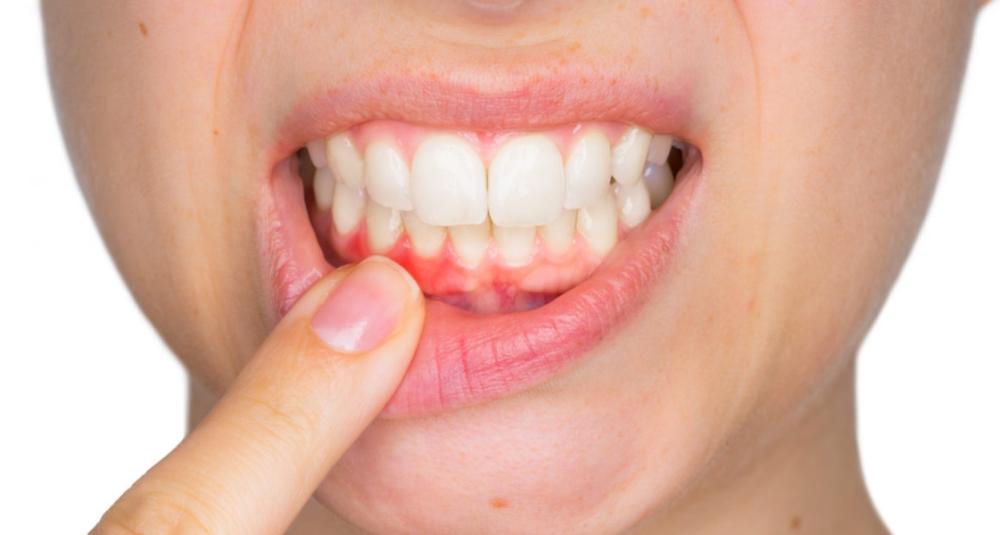
Gum recession is a common dental issue that affects many individuals. It’s often overlooked, but understanding its connection with hormones is crucial for maintaining oral health. This article explores how hormonal changes impact gum recession and what you can do to manage it.
Understanding Gum Recession: What It Is and Why It Happens
Gum recession occurs when the margin of the gum tissue surrounding the teeth wears away, exposing more of the tooth or its root. Factors like aggressive brushing, periodontal disease, and genetic predisposition play a role, but hormones are also key contributors.

Symptoms and Risks Associated with Gum Recession
Common signs include sensitive teeth, visible roots, and longer-looking teeth. Ignoring these symptoms can lead to severe dental problems, including tooth loss.
Hormones 101- The Basic Function of Hormones in the Body
Hormones are chemical messengers that regulate bodily functions. They play a significant role in growth, metabolism, and mood regulation, among other processes.
Hormones are involved in a wide range of processes, including growth and development, metabolism, reproduction, and mood regulation. They help to maintain homeostasis, which is the balance of internal conditions within the body. By acting on target cells, hormones can influence gene expression, protein synthesis, and cellular activity.
Some examples of important hormones include:
1. Insulin: Produced by the pancreas, insulin helps to regulate blood sugar levels by promoting the uptake and storage of glucose by cells.
2. Thyroid hormones: Produced by the thyroid gland, these hormones regulate metabolism and play a crucial role in growth and development.
3. Estrogen and progesterone: These hormones are primarily involved in regulating the female reproductive system, including menstrual cycles, pregnancy, and lactation.
4. Testosterone: This hormone is mainly produced in the testes in males and is responsible for the development of male reproductive organs and secondary sexual characteristics.
5. Cortisol: Produced by the adrenal glands, cortisol helps to regulate stress responses, metabolism, and immune function.
Overall, hormones play a vital role in regulating bodily functions, ensuring proper growth, metabolism, and emotional well-being.
| Hormones | Effects on Gum Healing |
|---|---|
| Estrogen | Enhances cell proliferation and collagen synthesis |
| Progesterone | Impairs wound healing by promoting inflammation and reducing fibroblast activity |
| Cortisol | Delays wound healing by suppressing the immune system |

Key Hormones That Influence Oral Health
Certain hormones, particularly estrogen and progesterone, significantly affect oral health. They can alter blood flow to the gum tissue and influence the body’s response to toxins, leading to gum sensitivity and discomfort.
Dental health is largely dependent on the levels of estrogen in the body. Estrogen is known to have a protective effect on oral health by promoting blood supply to the gums and supporting the growth of healthy bacteria in the mouth.
The Hormonal Influence on Oral Health
Fluctuations in estrogen and progesterone, especially during menstruation, pregnancy, and menopause, can make gums more susceptible to gum inflammation and recession. These hormones can cause gum tissue to become at more risk of gum disease.
If you notice any changes in your gum health during menstruation, pregnancy, or menopause, it is recommended to consult with your dentist or periodontist for proper evaluation and guidance. They can provide additional recommendations and treatments, if necessary, to help protect your gums during these hormonal changes.
The Role of Cortisol and Stress
Stress is an important factor that can contribute to gum recession because it can cause hormones like cortisol to be released in elevated amounts. Studies have found that when cortisol levels are elevated, it can weaken the immune system, making it harder for your body to fight against gum infections and inflammation.
Life Stages and Hormonal Changes
Hormonal changes can indeed have a significant impact on gum health. During different stages of life, such as puberty, pregnancy, and menopause, hormonal fluctuations can make gums more sensitive and prone to inflammation. It is crucial to understand this connection in order to prevent and treat gum issues effectively.
- Gum Health During Puberty
The surge in hormones during puberty can increase gum sensitivity and the risk of recession. It’s crucial for teenagers to maintain good oral hygiene during this period.
- Pregnancy and Gum Health
During pregnancy, the body experiences an increase in hormone levels. These hormonal changes can affect the gums and make them more sensitive to plaque bacteria. As a result, pregnant women may notice symptoms such as redness, swelling, tenderness, and bleeding of the gums, which are all signs of pregnancy gingivitis. If left untreated, pregnancy gingivitis can progress to more severe forms of gum disease, leading to gum recession, loose teeth, and even tooth loss.
- Menopause and Oral Health
During menstruation, pregnancy, and menopause, the hormonal fluctuations in estrogen and progesterone can indeed make gums more susceptible to menstruation gingivitis and gum recession. These hormones can affect the blood flow to the gums and alter the way gum tissue responds to plaque and bacteria.
In this period, some women may experience swollen and tender gums, which can increase the risk of gum recession. In menopause, decreasing levels of estrogen can result in changes to oral tissues. This can lead to dry mouth, bone loss, and gum recession. Additionally, menopausal women may also experience an increased risk of periodontal disease.
| Hormone Produced | Function | |
|---|---|---|
| Pituitary Gland | Growth Hormone (GH) | Stimulates growth and cell reproduction |
| Thyroid Gland | Triiodothyronine (T3), Thyroxine (T4) | Regulates metabolic rate |
| Adrenal Glands | Cortisol, Aldosterone | Helps manage stress response; regulates electrolyte balance |
| Pancreas | Insulin, Glucagon | Regulates blood glucose levels |
Birth Control Pills and Gum Recession
Birth control pills (BCPs) are a form of contraception that contains hormones. The hormones in BCPs can influence gum health, leading to increased gum sensitivity and recession. Women taking BCPs should be extra vigilant about maintaining good oral hygiene to reduce their risk of developing gingivitis and periodontal disease, which can exacerbate gum recession.
Hormones and Gum Recession: The Connection
What Science Says
Research indicates a strong link between hormonal changes and increased susceptibility to gum disease and recession. Hormonal fluctuations can affect the body’s immune response, making it easier for periodontal diseases to develop.
It is important to note that while hormonal changes can contribute to an increased susceptibility to gum disease and recession, maintaining good oral hygiene practices and regular dental check-ups are crucial in preventing and managing these conditions.
Preventive Measures – The Importance of Regular Dental Checkups
Regular dental checkups are crucial for maintaining good oral health. Here are some reasons why they are important:
1. Early detection of dental problems: Regular dental checkups allow dentists to detect any potential dental issues early on. This includes cavities, gum disease, oral cancer, and other oral health problems. Detecting these problems early makes them easier to treat and prevents them from progressing into more serious conditions.
2. Preventive care: Dental checkups involve professional teeth cleaning, which removes plaque and tartar buildup that cannot be removed by regular brushing and flossing. This helps prevent gum disease and tooth decay. Dentists also provide advice on proper oral hygiene techniques and may recommend preventive measures like sealants or fluoride treatments to protect teeth.
3. Maintaining overall health: There is a strong link between oral health and overall health. Poor oral health has been associated with various systemic conditions like cardiovascular disease, diabetes, and respiratory infections. Regular dental checkups help maintain good oral health, reducing the risk of these health issues.
4. Addressing dental anxiety: For many people, dental visits can be stressful or anxiety-inducing. Regular checkups can help address dental anxiety by familiarizing patients with the dental environment and building trust with the dentist. This can make future dental procedures or treatments more comfortable for patients.

Maintaining Good Oral Hygiene
Brushing twice a day, flossing, and using mouthwash can significantly reduce the risk of gum recession. It’s also important to use a soft-bristled toothbrush to avoid aggravating sensitive gums.
Nature’s Smile – Natural Gum Support During Hormonal Changes
Understanding hormones and gum recession is important because hormonal shifts can make the gums more sensitive to plaque, bacteria, and inflammation. This can happen during puberty, menstruation, pregnancy, menopause, or while using hormone-based birth control. During these stages, even small changes in daily oral hygiene can make a noticeable difference in gum comfort.
Along with brushing, flossing, and regular dental checkups, many people look for natural ways to support their oral health alongside regular dental care. One popular option is Nature’s Smile Gum Balm, a herbal oral care product formulated to support healthier gums naturally.
Nature’s Smile contains botanical ingredients such as oak bark, silver fir, pine tree carotene extract, chamomile, yarrow, greater celandine, and nettle. traditionally used to soothe gum irritation, reduce inflammation, and strengthen delicate gum tissues. Since hormonal changes can increase gum sensitivity and bacterial response, combining good oral hygiene with supportive natural ingredients may help reduce discomfort and support long-term gum wellness.
For people noticing gum sensitivity during hormonal changes, Nature’s Smile may fit naturally into a daily gum-care routine. It can be applied after regular brushing to support cleaner-feeling gums, fresher breath, and healthier-looking gum tissue while continuing proper dental care.
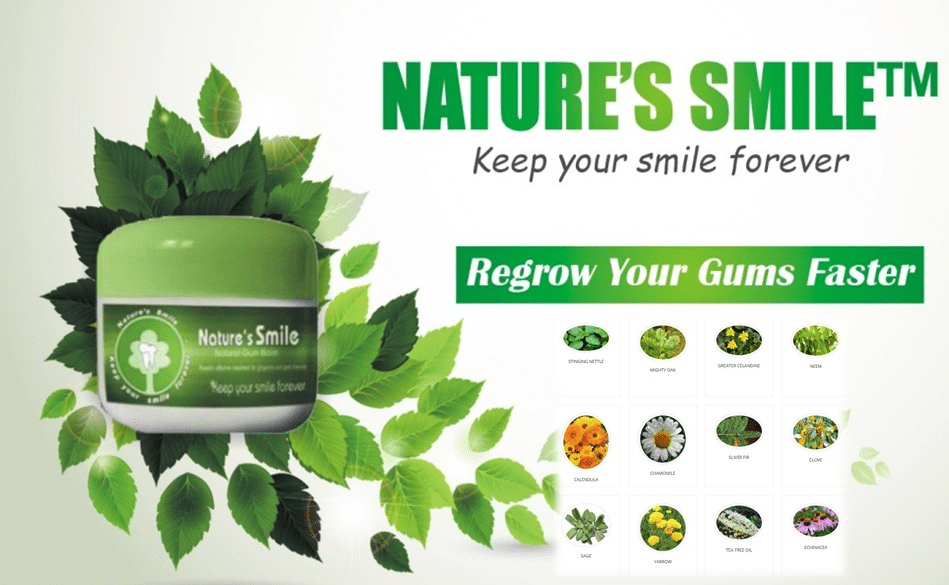
🌱 Start Your Journey to Healthier Gums Today—Click Here to Get Nature’s Smile Now!
Treatment Options – Non-Surgical Approaches
Treatments like deep cleaning (scaling and root planing) can effectively manage gum recession. These procedures remove plaque and tartar buildup below the gumline, promoting healing.
Surgical Interventions
In severe cases, surgical options like gum grafting may be necessary. This involves taking tissue from another part of the mouth to cover the exposed root surface.
During the procedure, the dentist or periodontist will numb the affected area with a local anesthetic. They will then make an incision in the palate or another donor site to remove a small piece of tissue. The tissue is then carefully stitched onto the areas with receding gums.
After the gum grafting procedure, the patient may experience some discomfort and swelling, which can be managed with pain medication and cold compresses. It is important to follow all post-operative instructions provided by the dentist or periodontist to ensure proper healing.
Gum grafting can help restore gum tissue and protect exposed tooth roots, preventing further gum recession and potential tooth loss. It is typically considered for severe cases of gum recession that cannot be treated with less invasive methods. It is best to consult with a dental professional to determine if gum grafting is necessary in your specific case.
Nutrition and Hormone Balance – Foods for Healthy Gums
A diet rich in vitamins C and D, calcium, and omega-3 fatty acids can strengthen gums and teeth. Foods like leafy greens, fatty fish, and dairy products are excellent choices.
Supplements for Hormonal Health
Certain supplements can help balance hormones, potentially reducing the risk of gum recession. Always consult with a healthcare provider before starting any supplement regimen.
Stress Management for Better Gum Health
Relaxation Techniques to Reduce Cortisol
Practices like yoga, meditation, and regular exercise can lower cortisol levels, benefiting your gum health.
Lifestyle Adjustments
Making lifestyle changes such as getting adequate sleep and avoiding smoking can also positively impact your oral health.
Hormonal Therapy and Oral Health
Weighing the Risks and Benefits
Hormonal therapy can help manage symptoms of menopause and other hormonal imbalances, but it’s essential to discuss the potential impacts on oral health with your doctor.
Exploring Alternative Therapies
Natural alternatives like phytoestrogens and lifestyle modifications might offer benefits without the risks associated with traditional hormone replacement therapy.
Further Queries:
The Role of Dentists and Endocrinologists
The Importance of Collaborative Care
Working with both your dentist and an endocrinologist can provide a comprehensive approach to managing gum recession related to hormonal changes.
Regular Consultations for Optimal Health
Scheduling regular check-ups with both professionals ensures that any issues are addressed promptly and effectively.

Myths and Facts about Hormones and Gum Health
Debunking Common Misconceptions
It’s important to separate fact from fiction when it comes to hormones and oral health. For example, not all gum sensitivity is hormone-related.
The Science Behind the Claims
Scientific evidence supports the link between hormonal changes and increased risk of gum disease and recession, but individual experiences may vary.
Case Studies and Real-life Examples
Learning from Others’ Experiences
Hearing about others’ experiences with gum recession during hormonal changes can provide valuable insights and tips for managing your oral health.
Lessons from the Field
Case studies illustrate the importance of holistic care and the role of hormones in oral health.
Managing Hormones and Gum Recession Naturally
Although hormonal changes during puberty, pregnancy, menstruation, and menopause can increase the risk of gum recession, preventive care can make a significant difference. Maintaining excellent oral hygiene, reducing stress levels, eating nutrient-rich foods, and scheduling regular dental visits are essential steps for protecting gum health.
Many individuals also incorporate Nature’s smile gum balm – an all-natural gum care product into their daily oral care routine because of their plant-based ingredients designed to support gum tissue naturally. Combining professional dental guidance with consistent oral care habits may help minimize the progression of hormone-related gum recession.
Summary
Hormones and gum recession are closely connected because hormonal changes can affect blood flow, gum sensitivity, inflammation, and the way gum tissue responds to plaque bacteria. This is why gum problems may become more noticeable during puberty, menstruation, pregnancy, menopause, or while using hormone-based birth control.
The best way to manage this risk is through consistent prevention. Brush gently with a soft-bristle toothbrush, floss daily, use mouthwash when appropriate, eat a nutrient-rich diet, reduce stress, and schedule regular dental checkups. If gum swelling, bleeding, sensitivity, or recession appears during hormonal changes, speak with a dentist or healthcare provider for proper guidance.
For added daily gum-line support, Nature’s Smile can be included as part of a complete oral-care routine. Its herbal oral balm formula is designed to support fresher breath, cleaner-feeling gums, and healthier-looking gum tissue when used alongside brushing, flossing, and professional dental care.
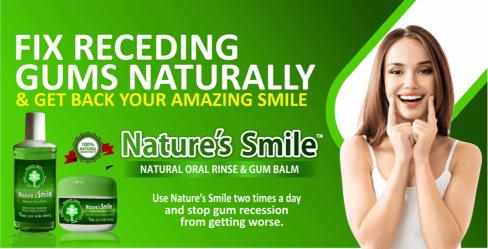
👉 Try Nature’s Smile today to give your gum-care routine natural added support during hormonal changes

Damarion Haley stands as a prominent authority in the fields of Pediatric Dentistry and Dental Health Education, celebrated for her exceptional credentials and qualifications. Aims to provide a comprehensive insight into Damarion Haley’s impressive background, underscoring her pivotal role in the realm of children’s oral health and dental education.